Surgical Educator, Tutored Hundreds of Heart Surgeons
Trained in Germany, Switzerland & Stanford University
Received Multiple Awards & Distinctions
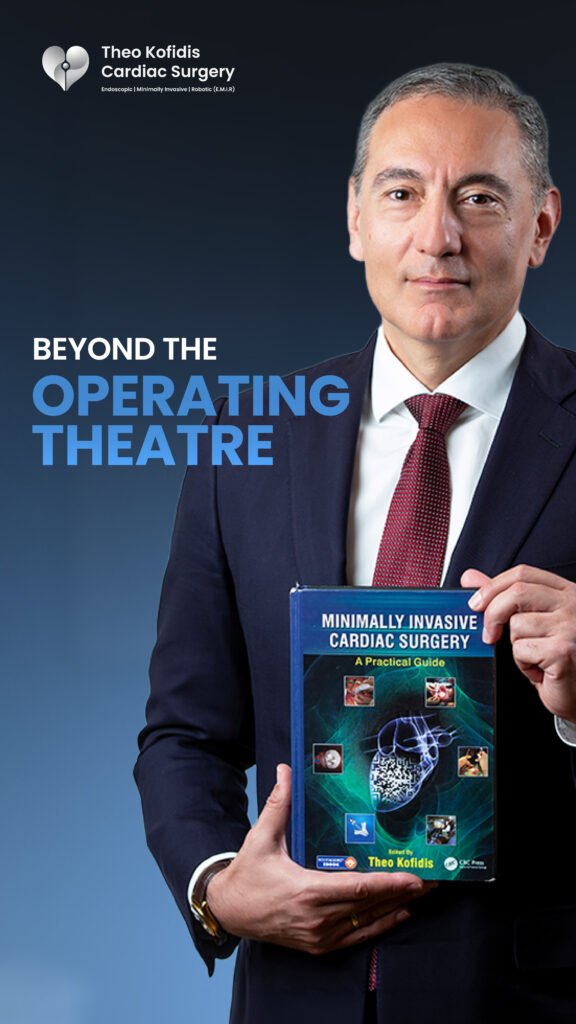
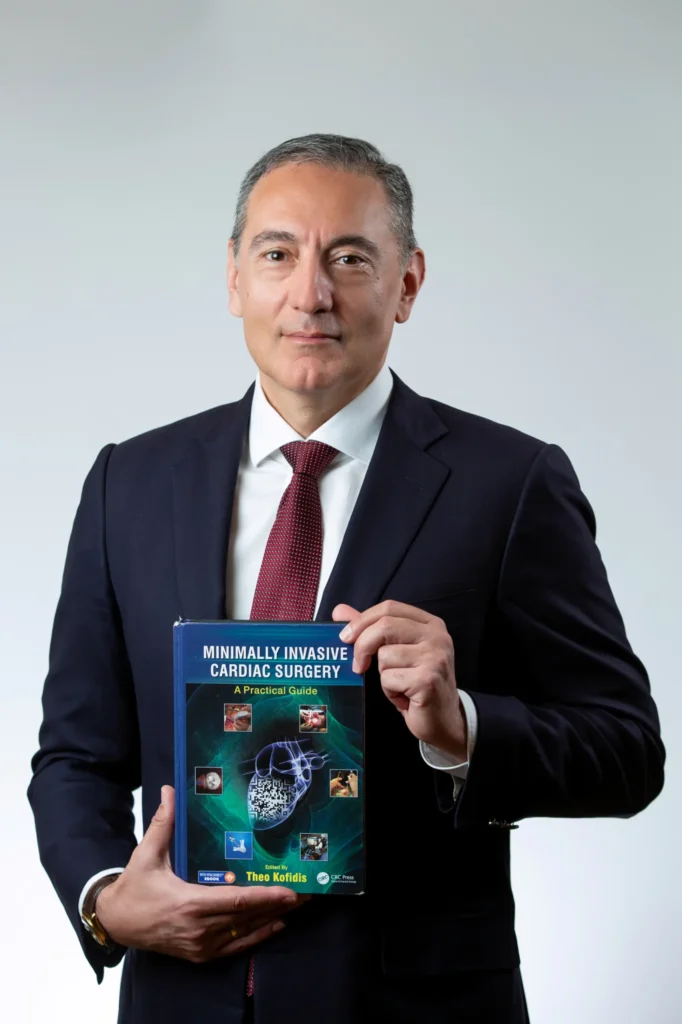
Wrote 1st Global Book on Minimally Invasive Heart Surgery
30+ Years Of International
Experience In Heart Surgery
Performed Thousands of Surgeries
Authored Over 200 Peer-Reviewed Scientific Publications
Tutored Over Hundred of Heart Surgeons Worldwide
Former Head of Department at NUHCS
Trained in Germany, Switzerland & Stanford University
Received Multiple International Awards & Distinctions
Wrote Global Book on Minimally Invasive Heart Surgery
Advances in minimally invasive techniques may allow certain heart conditions to be treated through smaller incisions. Treatment plans are tailored to individual patient needs, with a focus on precision and careful surgical planning. In selected cases, less invasive approaches may be considered where appropriate.
WHY MINIMALLY INVASIVE CARDIAC SURGERY?
Less Bleeding & Fewer Transfusions
Less Surgical Trauma
Faster Recovery (2-3 Weeks)
Faster Mobilisation
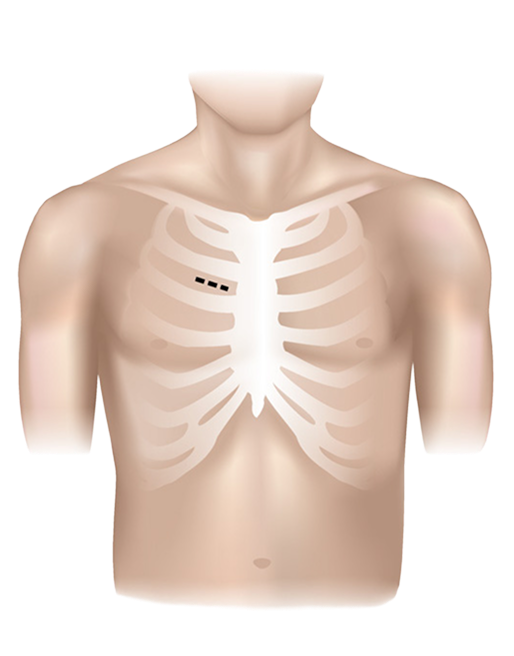
Small Incisions (4-6 CM)
Minimal Scarring
Shorter ICU & Hospital Stay
Better Preserved Lung Functions
Lower Risk of Certain Post-Operative Complications
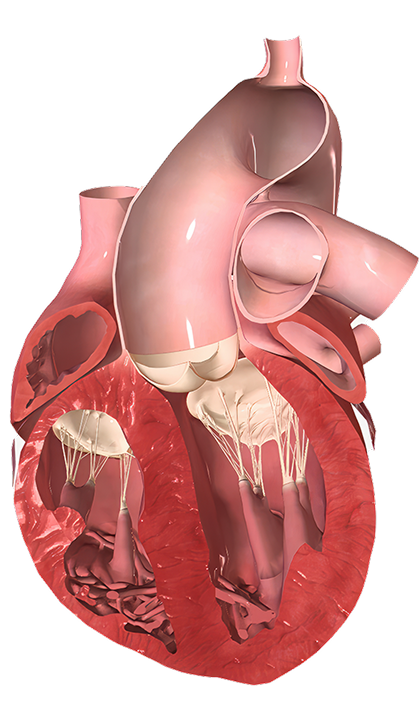
Heart valve conditions are evaluated individually to determine the most appropriate treatment approach. In selected cases, repair techniques may be considered as an alternative to replacement, with minimally invasive approaches available where appropriate as part of a tailored surgical plan.
Minimally Invasive Cardiac Surgery (MICS) and Open Heart Surgery are two established approaches used in heart surgery. The main difference lies in how access to the heart is achieved during the procedure. Both approaches are performed to treat heart conditions effectively.
If you’ve been advised to have heart surgery and want to understand all your options, or would like a second opinion, a consultation with (Adj) Professor Theo Kofidis can help. Your medical history, scans, and test results will be reviewed to determine the most appropriate surgical approach for you, including whether a minimally invasive option is suitable.
PREPARING FOR A HEART SURGERY?
UNDERSTAND MORE ABOUT MICS
Understand More About Minimally Invasive Cardiac Surgery
Meet Your Surgeon
(Adj)
Professor Theo Kofidis
Cardiac Surgeon with International Clinical and Academic Experience
With Emphasis on Minimally Invasive & Robotic Cardiac Surgery
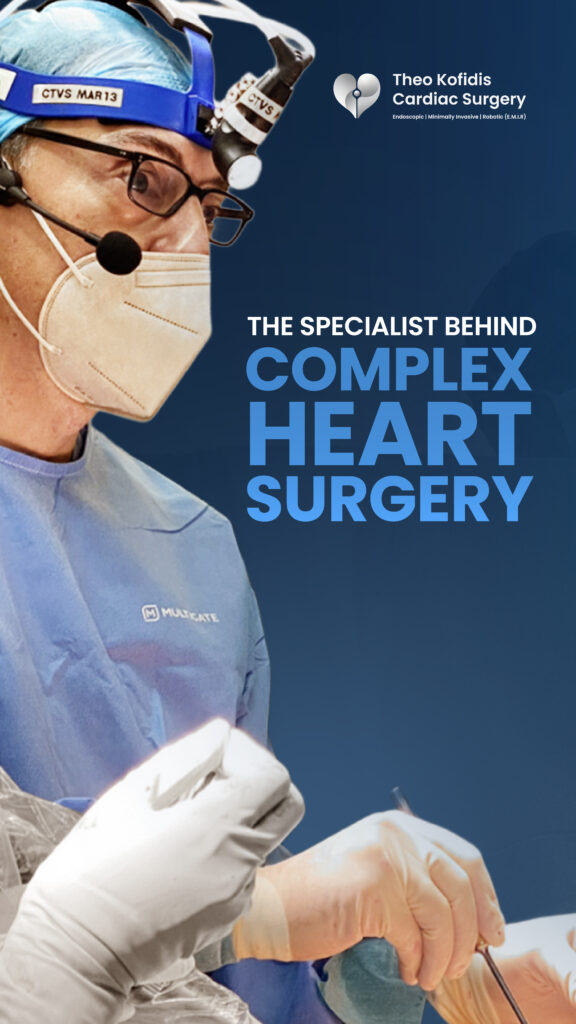
(Adj) Professor Theo Kofidis is a cardiac surgeon with more than 30 years of experience in the surgical management of adult heart disease. Having trained and practised in Germany, the United States and Singapore, he has established an international clinical and academic profile in minimally invasive, endoscopic, robotic and hybrid cardiac surgery. His clinical practice encompasses the full spectrum of adult cardiac surgery, with treatment recommendations tailored to each patient’s individual condition and clinical needs.
His clinical expertise includes coronary artery bypass surgery, heart valve repair and replacement, aortic surgery, heart rhythm surgery, heart failure surgery, complex re-operative cardiac surgery, and hybrid cardiovascular interventions. Where clinically appropriate, minimally invasive surgical approaches may be considered as an alternative to conventional open-heart surgery. Depending on the patient’s condition and the procedure performed, these approaches may be associated with smaller incisions and recovery experiences that differ from conventional surgery.
Beyond his clinical practice, (Adj) Professor Theo Kofidis is actively involved in surgical education, research and innovation. Throughout his career, he has contributed to the development of minimally invasive cardiac surgery, surgical technologies and clinical programmes through his clinical and academic work. He has authored more than 190 peer-reviewed scientific publications, presented at national and international scientific meetings, and participated in the education and training of cardiac surgeons, while continuing to contribute to the advancement of cardiac surgery through research, collaboration and education.
Based in Singapore, (Adj) Professor Theo Kofidis provides cardiac surgical care for both local and international patients. His approach emphasises evidence-based practice, personalised treatment planning and recommending the most appropriate surgical option for each patient’s individual condition.